Introduction
Building durability depends on how well each part of a concrete structure works together over time. Construction joints are one of these critical details, forming planned stopping points where one concrete pour ends and another begins. They allow larger concrete works to be carried out in manageable stages while helping contractors maintain a practical construction sequence.
Although these joints are common in concrete works, their performance depends on proper preparation, sealing, and material selection. A poorly prepared or poorly sealed joint may weaken over time, leading to cracks, water ingress, or bonding issues.
In this article, we explore why these planned joints matter and how they influence the connection between separate concrete sections. We also look at the materials commonly used to support their performance.
Key Takeaways:
- Construction joints are planned points where two separate concrete placements meet.
- These joints allow contractors to divide larger concrete works into manageable stages.
- Poor joint preparation may lead to weak bonding, concrete cracks, and leakage.
- Suitable materials, such as sealants, waterstops, and grouts, help improve joint performance.
- Proper design, material selection and installation support stronger building durability over time.
Defining Construction Joints
What are Construction Joints?
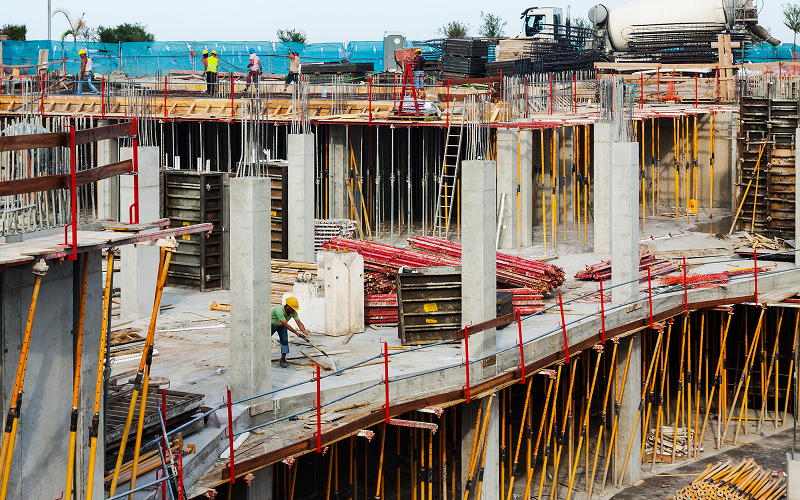
These joints are planned points in a concrete structure where one concrete pour stops and another begins. They are mainly created because concrete works often need to be completed in stages due to site sequencing, formwork, manpower, or project scale.
Once formed, these joints still need proper preparation, sealing, and material treatment. This helps the separate concrete sections bond properly while reducing issues linked to movement, moisture, and long-term durability.
1. Planned Interruptions in Concrete Placement
A construction joint forms when concrete work is stopped and continued later. This may happen due to project sequencing, site limitations, manpower constraints, or the practical need to divide larger concrete pours into manageable sections. Planning the joint location in advance helps contractors control the break and reduce potential weak points.
2. Connection Between Old and New Concrete
The joint becomes the meeting point between previously hardened concrete and newly placed concrete. This connection needs proper preparation so the two sections can work together as intended. Proper cleaning, roughening, bonding material selection, and curing help improve adhesion and reduce the likelihood of joint separation.
3. Different from Random Cracks or Defects
Construction joints are not the same as accidental cracks. They are planned into the construction process, whereas random cracks usually occur due to shrinkage, movement, weak concrete, poor curing, or stress within the structure. This distinction matters because planned joints can be detailed, treated and protected. Random cracks, on the other hand, often indicate uncontrolled movement or stress within the concrete.
Why Construction Joints Are Needed
Construction joints are necessary when concrete work cannot be completed in one continuous pour. They allow contractors to divide larger placements into manageable sections while keeping the construction sequence practical, controlled, and suited to site conditions.
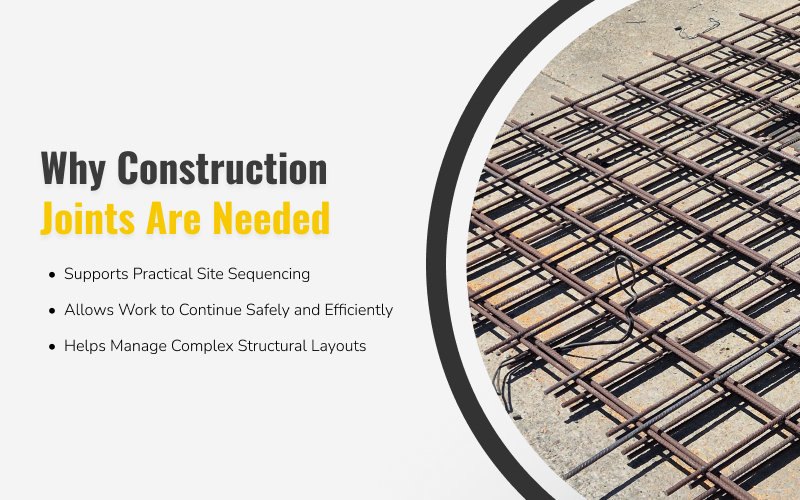
1. Supports Practical Site Sequencing
Large concrete pours are often completed in stages. Construction joints allow contractors to manage concrete placement, labour scheduling, formwork, curing time and site access more effectively. This is especially important when different parts of a structure need to be prepared, checked or completed before the next stage begins.
2. Allows Work to Continue Safely and Efficiently
In building projects, certain sections may need to be completed before the next stage begins. Concrete joints allow concrete placement to be paused without compromising the overall build sequence. This helps reduce the risk of poor workmanship from attempting an overly large pour under unsuitable site conditions.
3. Helps Manage Complex Structural Layouts
Buildings often include vertical elements that cannot all be poured at once. Construction joints help coordinate these elements while allowing concrete works to progress in a controlled manner. However, complex layouts may require different pouring sequences, reinforcement arrangements and access routes.
Different Types of Concrete Joints and Their Functions
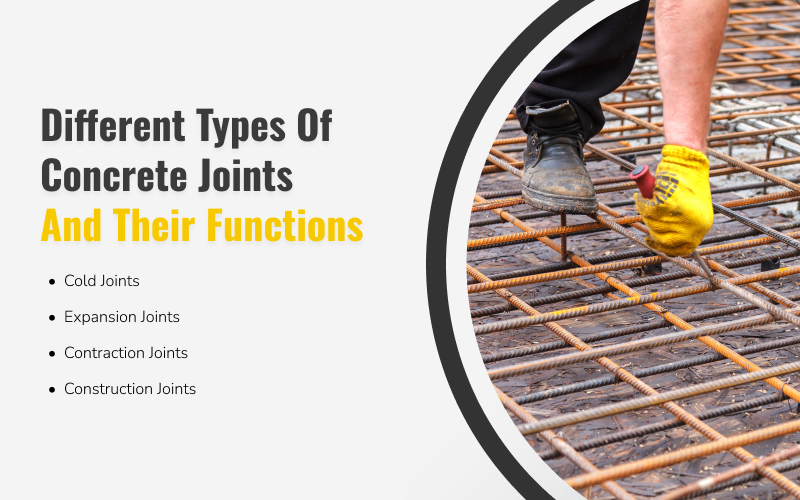
Concrete work may involve both planned joints and unplanned joint conditions, each with different implications for performance. Construction, expansion, and contraction joints are planned detailing methods used to manage staged concrete placement, movement, shrinkage, or controlled cracking. Understanding this difference helps contractors assess whether a joint was properly planned and detailed, or whether additional surface preparation and treatment may be needed.
1. Cold Joints
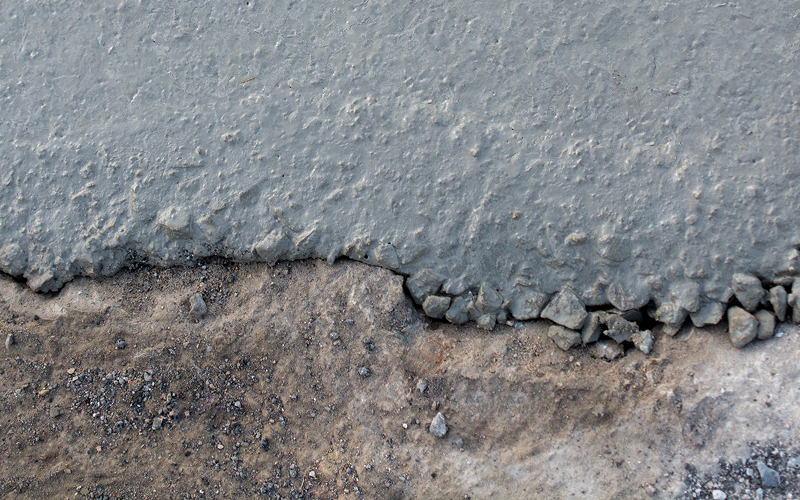
Cold joints form when fresh concrete is placed against concrete that has already started to harden. This often happens when there is a delay between pours or when concrete placement is interrupted during construction.
As the first layer has already set, the bond between the two concrete sections may not be as strong as a continuous pour. If the surface is not properly prepared before the next pour, the joint may become a weak point where cracking, separation, or water seepage can occur.
2. Expansion Joints
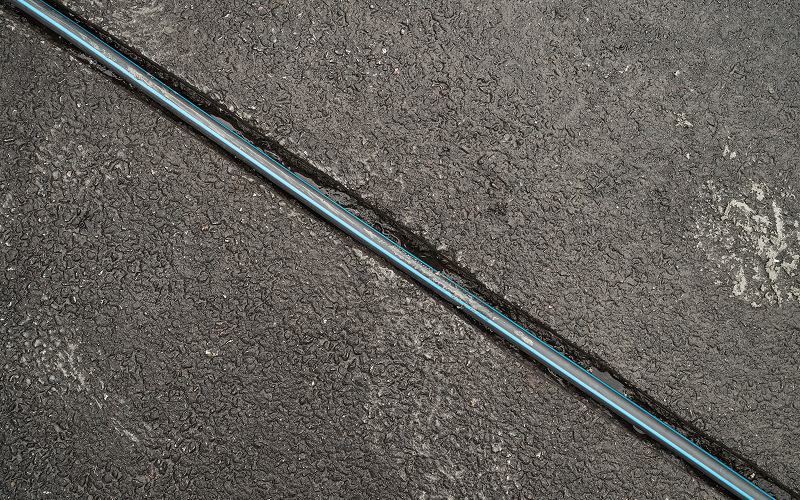
Expansion joints are designed to allow concrete to move as it expands and contracts due to temperature changes, moisture conditions, and structural movement. Without these joints, concrete may develop uncontrolled cracks because it has no space to move.
Expansion joints are usually filled or sealed with suitable joint fillers and sealants. The materials used must be flexible enough to accommodate movement while helping prevent dirt, water, or debris from entering the gap. A suitable joint sealant should be selected based on expected movement, exposure to water and Ultraviolet (UV), as well as surrounding materials.
3. Contraction Joints
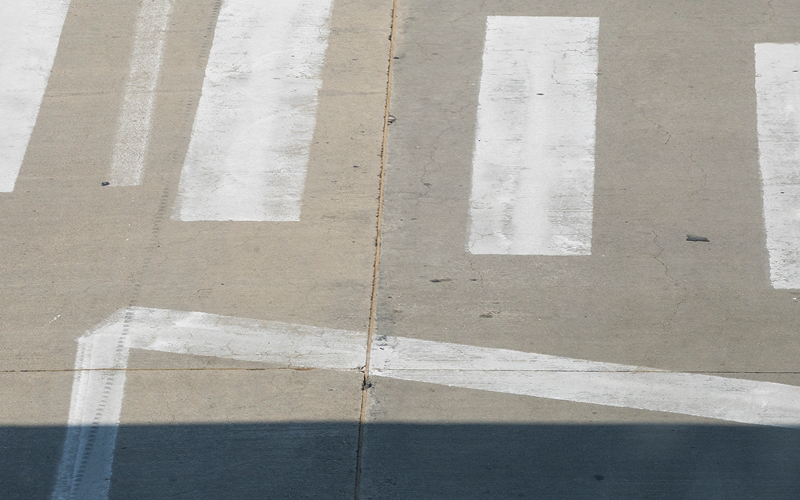
Contraction joints can be used to manage shrinkage as concrete dries and hardens. Without a planned point for this movement, random cracks may appear across the slab or wall.
These joints create a controlled weak line where shrinkage-related cracking can occur more predictably. This helps protect the appearance and performance of the concrete surface, especially in pavements where shrinkage control is important.
4. Construction Joints
Construction joints are planned joints used to connect two separate concrete placements. They are common in projects where concrete cannot be poured continuously in a single session due to site sequence, manpower limitations, formwork constraints, or project scale.
Unlike cold joints, construction joints are intentionally planned. The surface can be prepared properly. Suitable materials, such as bonding agents, waterstops, grouts, or sealants, can be used depending on the location and exposure level.
Building Materials Used in Construction Joint Treatment
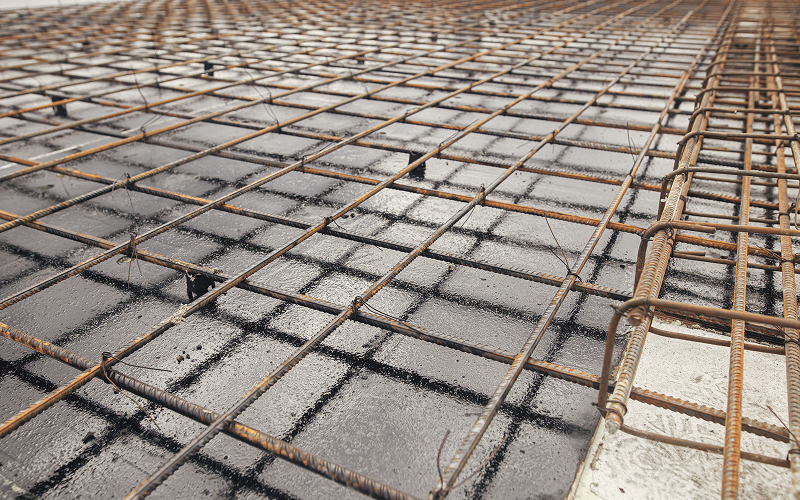
Building materials play an important role in how construction joints perform over time. The right materials can improve bonding, reduce water ingress, fill gaps and support the durability of the joint area. Material selection should depend on the joint location, exposure to moisture, expected movement and the overall requirements of the concrete structure.
1. Bonding Agents for Stronger Adhesion
Bonding agents help strengthen the connection between old and new concrete surfaces. They are commonly used when fresh concrete, repair mortar, or plaster needs to adhere to an existing substrate. This is essential when the existing concrete has already hardened, as the new material may not bond well on its own. Using a suitable material can help reduce the risk of weak adhesion between separate concrete placements.
2. Joint Sealants for Gap Protection
Joint sealants help close gaps and reduce water entry. The selected sealant should suit the joint movement, exposure level and surrounding material. A well-selected sealant can help prevent moisture, dirt and debris from entering the joint. This supports better durability, especially in areas exposed to weather, washing, water splash or regular movement.
3. Waterstops for Waterproofing Support
Waterstops are often used in joints exposed to water pressure or moisture. They are especially relevant in basements, water-retaining structures and areas where waterproofing performance is important. When installed correctly, waterstops help block water pathways through the joint. This can reduce leakage risks and enhance long-term waterproofing performance in critical areas.
4. Repair Mortar and Grouting Materials
Repair mortar and grout may be used to fill voids, correct surface defects or improve joint integrity. Suitable materials can support better finishing and longer-lasting repair outcomes. These materials are useful when gaps, honeycombing or surface irregularities need to be addressed before sealing or finishing.
5. Cementitious and Premix Materials
Premix mortar, cementitious repair materials, and waterproofing-related products can support more consistent on-site application. These materials are useful where controlled quality and efficient worksite handling are needed. Due to their compatibility with concrete substrates, cementitious materials are commonly used in repair, patching, and waterproofing work. Before engaging a cement supplier in Singapore, contractors should ensure the selected products match the project’s performance requirements, exposure conditions, and application method.
The Role of Construction Joints in Building Durability
How They Influence Structural Performance
When properly planned and treated, construction joints help separate concrete pours work together as part of the same structure. They support bonding, movement control, waterproofing performance, and long-term durability. However, when joint preparation or material selection is poor, the joint area may become more vulnerable to cracking, seepage, separation, and early deterioration.
1. Bonding Between Concrete Sections
The durability of a planned concrete joint depends on how well the old and new concrete connect. Proper surface preparation helps create a better interface between the two pours, allowing the new concrete or repair material to bond more effectively with the existing surface.
This connection is important because concrete elements often need to act as one continuous system after separate pours are completed. When the joint interface is properly prepared, it can help maintain better continuity across the concrete element and support more consistent performance over time.
2. Load Transfer and Movement Control
Concrete structures are exposed to loads, vibration, shrinkage, and thermal movement throughout their service life. A well-planned joint helps concrete sections manage these forces in a more controlled way, especially where larger pours are divided into practical work sections.
If the joint is weak, misaligned, or poorly treated, stress may concentrate around the joint area. This can lead to cracks, uneven movement, reduced structural performance, or repeated defects in the same location.
3. Long-term Performance of the Concrete Element
A concrete work joint can influence how a slab, wall, or beam performs over time. When the joint is properly prepared, sealed, and protected, it may help the concrete element resist moisture exposure, maintain surface integrity, and reduce unnecessary stress around the joint area.
This supports better long-term performance because the joint is not treated as an afterthought. Instead, it becomes part of the overall durability strategy for the concrete structure, keeping the element more stable and easier to maintain across its lifespan.
Best Practices for Implementing Construction Joints
Good joint performance starts before concrete is placed. Contractors should plan the joint location, prepare the surface, select suitable materials, and follow the correct application sequence. Each step affects how well the joint supports bonding, movement control, waterproofing, and long-term durability.
1. Design Considerations
The design process of construction joints should begin with the structure’s layout, pour sequence, expected loading, movement, and exposure conditions. Contractors should identify where the concrete works may need to stop and restart, then align the joint location with the structural design and site workflow.
The joint location should also be reviewed against areas exposed to moisture, weather, or heavier movement. A joint in an internal floor slab may not require the same treatment as one in a basement, roof slab, external wall, or water-exposed area. Planning these details early helps contractors decide whether additional waterproofing support, movement allowance, or surface preparation will be needed.
2. Material Selection
Material selection should follow the function of the joint. It is important for contractors to first determine whether the joint needs to support bonding, movement, waterproofing, gap filling, or repair before selecting the appropriate materials.
For old-to-new concrete bonding, compatible bonding materials or cementitious repair products may be needed to improve adhesion. Waterproofing-related products, grouts, or suitable sealants can be considered for wet or moisture-exposed areas, waterstops. Materials used around planned concrete joints should be compatible with the surrounding concrete and installed within their recommended conditions.
3. Installation Techniques
The installation process should begin with surface preparation. The first step is to clean and check the joint area before any new concrete, sealant, grout, repair mortar, or waterproofing material is applied. Removing dust, laitance, oil, loose particles, and weak surface layers ensures the next material can bond to a stable base.
After preparation, contractors should follow the correct sequence for placing, aligning, sealing, curing, or protecting the joint. When installed carefully, these details can jointly support structural durability, waterproofing performance, and overall service life.
Common Problems Linked to Poor Construction Joint Treatment
Poor joint treatment may show up gradually after concrete, waterproofing, or finishing works are completed. Common warning signs include damp patches, water stains, hairline cracks near the joint area, hollow-sounding surfaces, peeling finishes, or repeated leakage in the same location.
Sometimes, you may also notice sealants shrinking, repair materials separating from the surface, or cracks returning even after patching. These signs can suggest that the joint was not properly prepared, bonded, sealed, or protected during the initial works.
1. Water Ingress Through Joint Gaps
Water can enter through poorly sealed or poorly prepared joints, especially in basements, external walls, roofs, bathrooms, and retaining structures. Once moisture passes through the joint, it may gradually cause dampness, staining, corrosion risk, and damage to finishes.
These issues can become harder to control after finishes are installed, as the source of the leakage may no longer be easily accessible. Early waterproofing planning, suitable waterstop selection, and proper sealant application can help reduce leakage pathways before they become long-term defects.
2. Cracking Near the Joint Area
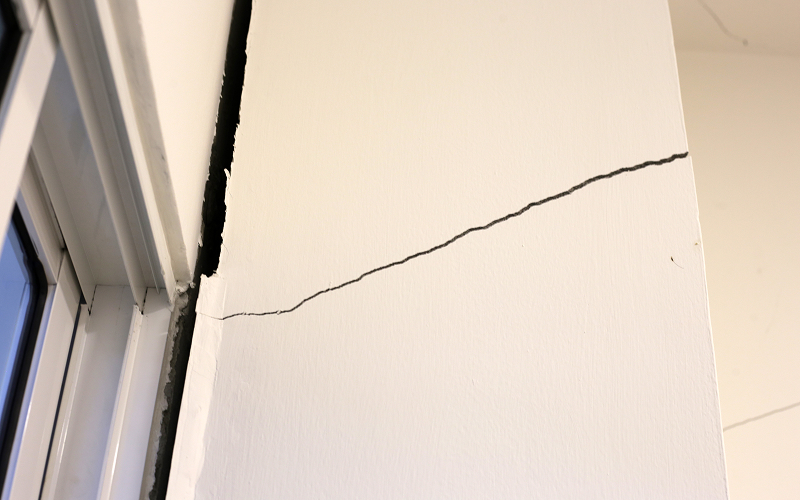
Cracks may form when the joint is poorly bonded, insufficiently prepared, or exposed to movement. Once cracks appear, they can affect the surface finish, reduce waterproofing performance, and weaken long-term durability.
Cracking near construction joints may also indicate that stress is concentrating around the joint area. Therefore, contractors should review whether the joint location, preparation or treatment method was suitable for the structure.
3. Weak Adhesion Between Concrete Layers
If dust, laitance, loose particles, or contaminants remain on the old concrete surface, the new pour may not bond properly. This creates weak contact zones that can reduce the joint’s ability to hold the concrete sections together.
In the long run, weak adhesion can affect structural performance, especially where concrete elements require stable contact with surrounding materials. For instance, when concrete blocks are used near joint areas, poor bonding or surface preparation may affect how well the surrounding mortar, repair material, or finishing layer holds.
4. Repair and Maintenance Complications
Once joint-related defects appear, repairs may require hacking, cleaning, sealing, grouting, or waterproofing works. These corrective works can disrupt project schedules, delay follow-up trades, or affect building use after completion.
This is why material readiness matters during the initial construction stage. By working with a reliable building construction materials supplier, contractors can source suitable sealants, grouts, waterproofing products, and repair materials early, reducing the risk of repeated repairs later.
How to Prevent the Common Issues?
Prevention begins before the joint is treated. Contractors can assess the joint location, moisture exposure, expected movement, surface condition, and material compatibility before applying sealants, grouts, repair mortars, or waterproofing products.
The surface also needs to be clean, stable, and free from dust, laitance, oil, or loose particles before any new material is applied. Selecting suitable waterstops, sealants, grouts, bonding materials, and repair products early helps reduce the risk of leakage, cracking, weak adhesion, and repeated repair work later.
Reliable Building Material Supply for Construction Projects
Reliable material supply is important for contractors managing concrete works, joint treatment, and finishing works. Construction joints often require specific products at specific stages, from preparation and bonding to sealing, waterproofing, and repair. When these materials are not available on time, site progress may be delayed.
To avoid these disruptions, project teams need access to materials that suit the site conditions, joint location, and required application method. Sourcing materials from experienced construction material suppliers can help contractors secure the right products earlier and keep critical construction stages moving more efficiently.
At Chi Han Trading, we support construction projects by supplying materials for concrete works, finishing works, waterproofing, and repair needs. With experience across more than 10,000 projects, we understand the material demands of residential, commercial, and industrial works. Our large inventory helps contractors access the right products at critical stages of construction, reducing the risk of delays.
As a building materials supplier, we provide materials that support concrete works, joint preparation, repair, plastering, masonry, reinforcement, and finishing needs. Contractors should choose materials based on the joint condition and application needs, whether for moisture exposure, movement, old-to-new concrete bonding, or repair before sealing. Suitable grouts, sealants, waterproofing-related products, repair mortars, and cementitious compounds can help improve adhesion, fill gaps, and support follow-up works.
Conclusion
Construction joints may be planned into concrete works, but their long-term performance depends on how they are prepared, protected, and supported with suitable materials. When handled properly, they can help concrete sections work together more effectively while reducing the risk of cracking, leakage, weak bonding, and premature deterioration.
For builders and contractors in Singapore, material readiness is also part of better project control. As a supplier of cement and other building materials, Chi Han Trading supports construction teams with the products needed for concrete works, joint treatment, waterproofing, repair, and finishing applications.
Seeking the right materials for each joint location? Contact us to learn more about our offerings.
Frequently Asked Question
1. How do I determine where to place construction joints?
Placement should be based on structural design, expected movements, and environmental conditions. Consulting with a structural engineer is recommended.
2. Are construction joints the same as expansion joints?
No. Construction joints are planned points where one concrete pour ends and another begins. Expansion joints are designed to allow movement caused by temperature changes, expansion and contraction. Both are important, but they serve different purposes in concrete works.
3. Why do construction joints need proper treatment?
Construction joints need proper treatment because they connect separate concrete placements. If the joint is not cleaned, prepared, bonded or sealed correctly, it may become a weak point where cracks, water ingress or poor adhesion can develop.