Key Takeaways:
- Understanding the different construction sand types is essential for project success.
- Each type of sand has specific uses, influencing durability and cost.
- Choosing the right sand can improve structural integrity and reduce project costs.
Introduction
Construction sand may seem like a basic building material, but choosing the wrong type can affect concrete strength, plastering quality, drainage, compaction, and overall workmanship. Different sand types serve their own purposes, so contractors should consider the intended application before placing an order. For example, sand used for concrete mixing may need stronger grading and coarser particles, while plastering sand should support a smoother finish.
From concrete to mortar, construction sand plays a pivotal role in various applications. This article explains the various types of construction sand and offers guidance on choosing the right one for your specific project.
Common Types of Construction Sand and Aggregates Used in Building Projects
Different construction tasks require different material characteristics. Some materials are better suited for concrete mixing, while others are better suited for plastering, drainage, or general site preparation. Understanding these differences can help contractors make more accurate choices based on project needs.
1. Concrete Sand or Silica Sand
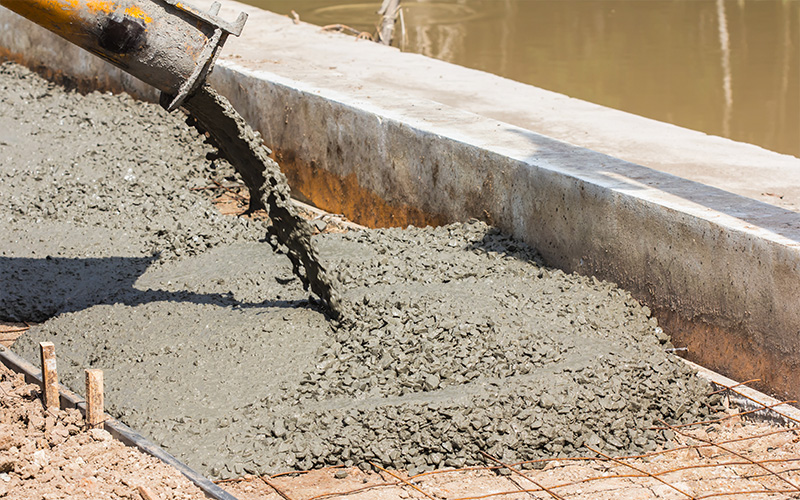
Concrete sand, also known as silica sand, is commonly used in concrete mixes, screeding, and other construction applications where strength and bonding are important. Its texture allows it to combine well with cement and aggregates, helping to create a more stable and workable mix. Contractors may use concrete sand for slabs, foundations, screeding layers, and other concrete-related works. Choosing a concrete sand supplier that provides clean, suitable concrete sand can help reduce the risk of weak mixes, poor compaction, and inconsistent results on site.
2. Plaster Sand
Plaster sand is typically used for plastering walls, ceilings, and surface finishing. Compared with coarser sand, it enables smoother application, helping workers achieve a cleaner, more even finish. If plaster sand contains too many impurities or uneven particles, the plaster may become difficult to spread or may result in rough and patchy surfaces. Suitable plaster sand helps improve workmanship and reduces the need for extra correction work.
3. Granite Aggregate
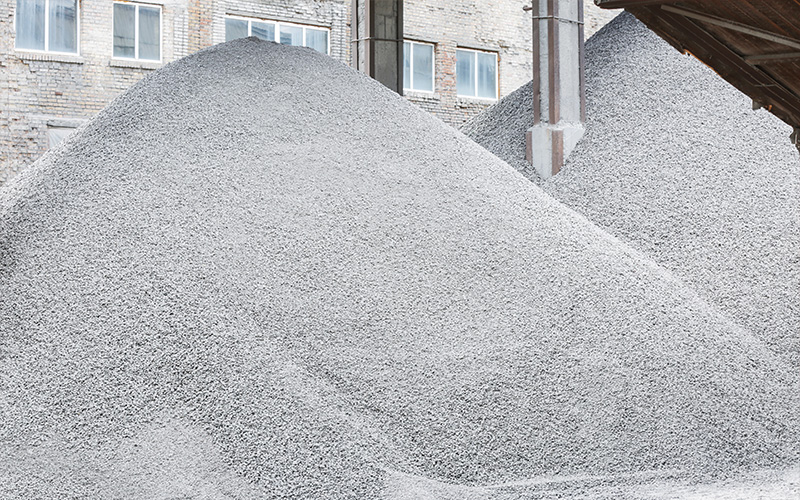
Granite aggregate is commonly used in concrete and construction works that require strength, stability, and durability. Its hard, angular particles help bind well within the mix, improving compaction and supporting a more consistent concrete structure. For contractors, choosing the suitable aggregate size and working with a reliable granite aggregate supplier can affect how well the concrete mix performs. The right choice supports better workability, compaction, structural strength, and long-term durability.
4. Pebbles
Pebbles are often used for drainage, landscaping, pathways, and decorative construction features. Their rounded shape and varied sizes make them suitable for improving surface drainage, reducing muddy patches, and creating a cleaner finish in garden or walkway areas. Depending on the project, pebbles can also be used around planters, water features, driveways, and external spaces where both function and appearance matter. In outdoor or drainage-related works, pebbles can help improve water movement and reduce muddy or uneven surfaces.
Why Choosing the Right Construction Sand Matters
Construction sand plays an important role in the strength, stability, and finish of a project. Choosing the right type can support proper mixing, compaction, drainage, and long-term on-site performance.
1. It Affects the Strength of Concrete and Mortar
Sand may affect how well concrete and mortar bond. If the sand is too fine, poorly graded, or contains too many impurities, it may affect the mix’s strength and consistency. For concrete work, suitable concrete sand helps create a stronger, more stable mix when combined with cement, water, and aggregates. This is especially important for slabs, foundations, screeding, and other areas where durability and load performance matter.
2. It Influences Plastering and Surface Finish
Plastering work requires sand to achieve a smoother, more even finish. If the sand is too coarse or inconsistent, the plaster may become harder to spread, resulting in rough patches, uneven surfaces, or additional correction work. Using suitable plaster sand helps workers achieve cleaner finishing with less rework. This helps improve the appearance of walls and ceilings while supporting better workmanship across the project.
3. It Helps Reduce Cracks, Wastage, and Rework
An unsuitable type of construction sand can lead to poor bonding, uneven drying, weak mixes, or surface defects. These issues may only become apparent after installation, which can lead to additional labour, replacement costs, and project delays. Choosing the right sand from the beginning helps reduce the risk of unnecessary wastage. It allows workers to use materials more efficiently and maintain better consistency across different stages of construction.
4. It Supports Better Drainage and Ground Preparation
Some sand types are used for levelling, filling, drainage, or base preparation rather than concrete or finishing work. In these cases, the sand must be suitable for compaction, water movement, and ground stability. Using the wrong material for drainage or backfilling may lead to poor settlement, water pooling, or unstable surfaces.
How to Choose the Right Construction Sand and Aggregates
Choosing the right types of construction sand and aggregates depends on how the material will be used on site. Contractors should not select materials based on price alone, as the wrong type can affect concrete strength, drainage, compaction, and overall workmanship.
1. Match the Material to the Application
The first step is to identify where and how the material will be used. Concrete sand, or silica sand, is more suitable for concrete mixes, screeding, and works requiring bonding strength. Plaster sand is better for wall and ceiling finishes because it supports smoother application.
For strength-focused works, granite aggregate may be needed to support concrete durability and stability. Pebbles, on the other hand, are more suitable for drainage, landscaping, pathways, and decorative areas. Matching the material to its function helps prevent performance issues later.
2. Check the Texture and Particle Size
Different sand and aggregate types have different textures and particle sizes. Coarser sand may work better for concrete mixes, while finer sand is usually preferred for plastering and finishing. Aggregates also need to be selected based on the required size and intended concrete application.
If the particle size is unsuitable, the material may be harder to compact, spread, or mix evenly. This can affect workability, finishing quality, and the final strength of the construction work. Contractors should match the sand or aggregate grade to the intended application before using it on site.
3. Look Out for Cleanliness and Impurities
Construction sand should be reasonably clean and suitable for the intended use, as sand quality can affect how well materials bind, set, and finish on site. Excess silt, clay, dust, organic matter, or unwanted particles may weaken the mix, reduce adhesion, or create uneven surfaces.
Checking cleanliness before use helps contractors avoid poor compaction, inconsistent texture, and defects that may affect the durability of the completed work. For plastering, substandard sand can lead to rough, uneven, or patchy finishes. In concrete-related work, it may affect the mix’s strength and consistency.
4. Consider Site Conditions and Project Requirements
The suitable material should match both the application and the site conditions. Drainage areas may need materials that allow water to flow through easily, while backfilling or levelling works may require materials that can compact properly. For structural concrete works, stronger, more consistent aggregates are usually needed to meet the required performance.
Practical site factors also matter. Contractors should consider the required quantity, delivery schedule, storage space, and site access before ordering. These details can affect how smoothly materials are received, stored, and used during the project.
Engaging a Reliable Building Materials Supplier
Different construction projects may require different materials, including plaster sand, concrete sand, pebbles, and granite aggregate. A reliable construction material supplier can help contractors source materials that match the intended application, site conditions, and delivery schedule. This is essential when projects require a steady supply across multiple stages, from groundwork and drainage to concreting, plastering, and finishing works.
At Chi Han Trading, we support contractors and project teams with a wide range of building materials. With over 30 years of experience, involvement in more than 10,000 projects, and support for lorry crane transportation, we help make procurement and site coordination more efficient.
Contact us to share your construction project requirements.