Key Takeaways:
- Understanding the types of foundation materials is crucial for effective construction.
- Different materials have unique properties that affect durability, cost, and suitability for various projects.
- Choosing the right materials can significantly impact project success and longevity.
Introduction
Foundation materials play an important role in supporting a building’s strength, stability, and durability. A building foundation transfers loads from the structure above into the ground, so the materials used must suit the project’s design, site conditions, soil behaviour, and structural requirements.
As construction projects become more complex and sustainability considerations grow, selecting the right groundwork materials has become even more important. This guide explores the common types of foundation materials, their properties, and why material quality matters in successful construction projects.
What Are Foundation Materials and Why Do They Matter in Construction?
These materials are used to build the base that supports a structure and transfers its weight safely into the ground. These may include concrete, cement, sand, granite aggregate, steel reinforcement, wire mesh, bricks, blocks, and other supporting construction materials, depending on the project design and site conditions.
1. They Help Improve Load-Bearing Strength
A foundation must carry the weight of the structure above it. Quality concrete materials, clean sand, suitable granite aggregate, and proper steel reinforcement help improve its load-bearing capacity, allowing it to support walls, floors, beams, columns, and roofs more effectively.
2. They Reduce Cracks and Settlement Issues
Weak or inconsistent materials can affect how the foundation cures, bonds, and distributes weight. This may increase the risk of cracks, uneven settlement, or movement over time. Suitable materials help the foundation remain more stable under pressure.
3. They Support Better Durability in Ground Conditions
Foundations are often exposed to soil moisture, pressure, and changing site conditions. Durable materials help resist water-related damage, corrosion, and early deterioration, especially when the foundation is in contact with damp ground or exposed to heavy loads.
4. They Help Prevent Costly Rework
Foundation defects are difficult and expensive to fix after construction progresses. Selecting good-quality materials from a reliable building materials supplier helps contractors reduce delays, wastage, and repair risks from the start.
What are the Common Types of Foundation Materials?
Different foundation works require materials that suit the structural design, ground conditions, and specific project requirements. Before ordering or mixing, contractors should understand how each material contributes to load support, stability, durability, and overall foundation performance.
1. Concrete
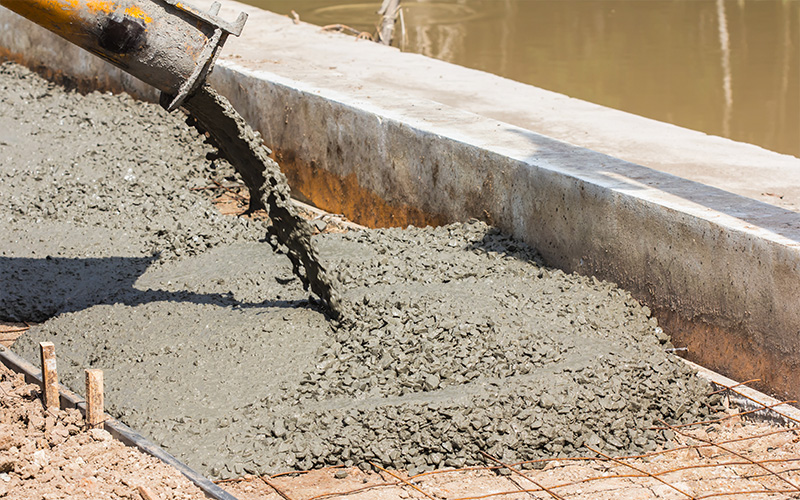
Concrete is one of the most widely used materials for foundation work because it offers high compressive strength and long-term durability. It is made by combining cement, sand, aggregates, and water, with the mix ratio adjusted based on the required strength, site conditions, and structural application. For foundations, concrete quality depends not only on the materials used but also on proper mixing, placement, and curing. Poor-quality concrete or incorrect proportions can lead to weak spots, cracks, and reduced load-bearing performance.
2. Cement
Cement acts as the binder in concrete. When mixed with water, it forms a paste that holds sand and aggregates together, allowing the concrete to set, harden, and develop strength over time. For foundation work, cement quality can affect the overall performance of the concrete mix, so contractors should source suitable materials from reliable cement suppliers. Proper storage is also important. Cement should be kept dry and protected from moisture, as damp or compromised cement can affect the strength of the foundation mix.
3. Sand
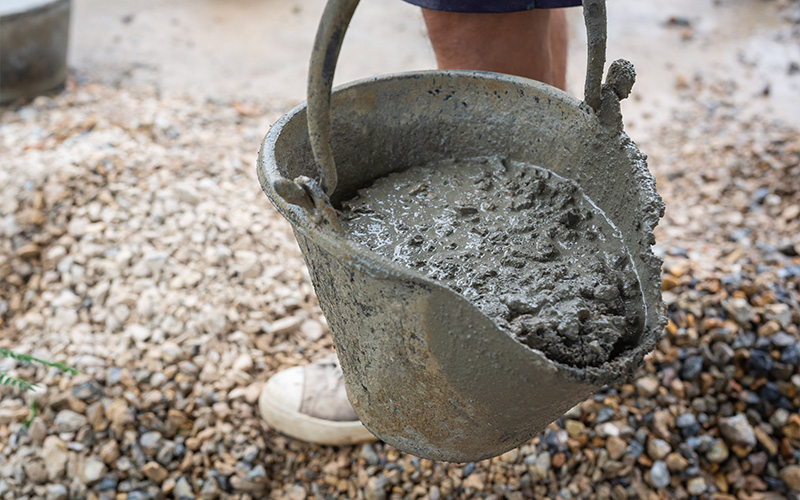
Sand fills the spaces between larger aggregates, helping improve the workability, bonding, and consistency of the concrete mix. For foundation works, contractors should use clean, suitable sand from trusted concrete sand suppliers to support better strength and reduce the risk of defects. Sand with too much silt, clay, or impurities can weaken the mix and affect foundation performance.
4. Granite Aggregate
Granite aggregate adds bulk, strength, and durability to the concrete mix. It helps foundations withstand compressive loads while improving the stability and structural performance of the hardened concrete. Well-graded aggregates support better compaction and workability, while unsuitable aggregates may affect strength, consistency, and overall foundation performance.
5. Steel Reinforcement and Wire Mesh
Steel reinforcement is used to improve the tensile strength of concrete. While concrete is strong under compression, it can be weaker under tension, so steel bars or mesh help the foundation resist cracking and movement. Wire mesh may also be used in certain slabs or reinforced concrete applications. The right reinforcement depends on the structural design, loading requirements, and engineering specifications.
6. Bricks and Blocks
Bricks and blocks may be used for certain foundation-related works, retaining structures, or supporting walls, depending on the project design. Their strength, density, and durability should suit the intended application, especially in areas exposed to load, moisture, or ground contact. However, contractors should not treat all bricks and blocks as interchangeable. Choosing the wrong type can affect long-term performance near foundation areas.
Key Properties to Look for
Materials for grounding work must be selected based on performance, not only availability or price. The right properties help ensure that the foundation can support the structure safely and last over time.
1. Strength
Materials for foundation works must have sufficient strength to support the building load. Concrete, aggregates, steel reinforcement, bricks, and blocks should be selected based on the project’s structural requirements to ensure adequate load support and long-term stability.
2. Durability
Materials used in foundations should withstand moisture, soil contact, pressure, and long-term wear. Durable materials reduce the risk of premature cracks, corrosion, or deterioration.
3. Workability
Concrete materials should have enough workability to allow proper mixing, placement, and compaction during foundation works. If the mix is too dry, too wet, or poorly graded, it may be difficult to handle on-site and can affect concrete consistency, strength development, and overall foundation quality.
4. Moisture Resistance
Foundations are often exposed to ground moisture, so the materials used should be suitable for the site conditions. Choosing appropriate concrete materials, reinforcement, bricks, and blocks can help reduce the risk of water-related weakening, corrosion, and long-term durability issues.
5. Consistency
Consistent material quality helps contractors achieve more reliable results throughout the foundation works. If sand, aggregates, cement, or reinforcement vary in quality, size, or condition, the foundation may develop uneven strength, poor bonding, or inconsistent performance across different areas.
Build Stronger Foundations With Support From Chi Han Trading
Choosing the right foundation materials helps contractors support building stability, reduce defects, and improve long-term project performance. From concrete sand and granite aggregate to cement, steel, mesh, bricks, and other construction essentials, each material should be selected based on the project’s structural needs.
As an experienced building materials supplier in Singapore, Chi Han Trading supports contractors with a wide range of construction materials, large inventories, and lorry crane transportation. With reliable material sourcing and delivery support, we help project teams keep foundation works better coordinated from the start.
Contact us to explore how our products can support your construction projects.