Key Takeaways:
- Plastering and painting are distinct processes essential for wall finishing, each serving unique purposes.
- Plastering provides a smooth, durable surface, while painting adds colour and protection.
- Understanding the differences helps in selecting the right approach for your project.
Introduction
When it comes to enhancing a building’s aesthetics and functionality, the terms plastering and painting often come up. While they are frequently mentioned together, they represent two distinct processes in wall finishing that serve different purposes. Plastering prepares and levels the wall surface, while painting adds colour, protection, and the final visual finish. Without proper plastering, paint may highlight uneven patches, cracks, rough textures, or surface defects instead of covering them.
For contractors, builders, and renovation teams, plastering is often the foundation of a better paint finish. Premix wall plaster helps improve consistency by being pre-packed and manufactured for more controlled mixing, workability, and application. This can reduce common issues associated with unevenly mixed site plaster, helping teams achieve smoother wall finishes before painting.
What is Plastering?
Plastering is a technique used to create a smooth, durable surface on walls and ceilings. It involves applying a layer of plaster, which can be made from various materials, including gypsum, lime, and cement. It helps cover rough masonry, concrete, brickwork, blockwork, and minor surface irregularities before the next finishing stage begins.
1. It Creates the Base for Wall Finishing
Plastering forms the foundation for the final appearance of the wall. A properly plastered wall gives painters a more stable and even surface to work on. This matters because paint will not conceal major unevenness. Instead, it can make surface flaws stand out more clearly when light falls on the wall.
2. It Helps Correct Surface Imperfections
Walls may have uneven textures, small hollows, rough patches, or slight alignment differences after construction. Proper wall surface preparation, including plastering, helps smooth out these imperfections so the finished wall looks cleaner and more refined.
3. It Supports Better Paint Application
Paint adheres better when it is applied to a properly prepared surface. A smooth, well-finished plaster layer, supported by suitable products from reliable construction material suppliers, can help reduce patchiness, uneven absorption, and visible differences in texture.
What is Painting?
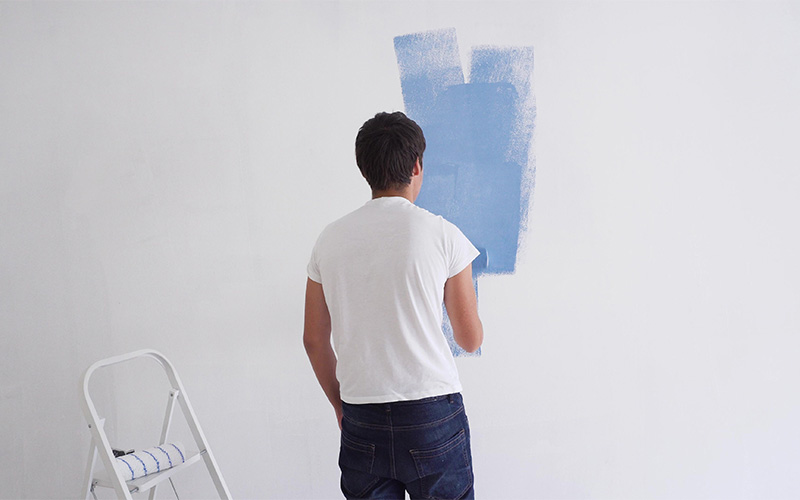
Painting is the final stage in which colour, coating, and surface protection are applied to the prepared wall. It gives the wall its final appearance and can help protect the surface from daily wear, stains, and environmental exposure. A well-prepared base also helps the paint finish appear smoother and longer-lasting.
1. It Completes the Visual Finish
Painting gives the space its final appearance once the wall has been properly prepared. The chosen colour, sheen, and paint type can affect whether a room feels brighter, warmer, cleaner, or more professional.
2. It Depends on Surface Preparation
The quality of painting depends heavily on the surface underneath. If the wall is uneven, dusty, cracked, or poorly plastered, the final result may look patchy, rough, or inconsistent. Proper preparation helps paint spread more evenly and reduces the chances of visible texture differences after drying.
3. It Protects but Does Not Replace Plastering
Paint may offer a protective layer, but it cannot correct poor wall levels or deep surface defects. Suitable plastering materials are still needed when the base surface requires levelling, smoothing, or repair before painting. This is essential for new walls, renovated surfaces, or areas where old coatings have been removed, as paint will only sit on top of the existing surface.
What is the Key Difference Between Plastering and Painting?
Plastering and painting work together as part of the wall finishing process, but they do not serve the same purpose. Plastering prepares the wall by correcting uneven areas, filling surface defects, and creating a smoother base for the next stage.
Once the wall has been properly plastered, painting completes the finish by adding colour, providing a coating, and offering surface protection. This is why the quality of the paintwork depends heavily on the condition of the underlying plastered surface.
If plastering is poorly done, the final paint finish may still look uneven even when quality paint is used. Rough textures, weak bonding, shrinkage cracks, or uneven wall levels can show through the paint layer over time, affecting the overall appearance and durability of the wall.
Why Premix Wall Plaster Supports Better Wall Preparation
Premix wall plaster helps create a more consistent base before painting or finishing work begins. As it is pre-formulated for smoother application and better surface control, it can support neater wall preparation.
1. More Consistent Mix Quality
Traditional plaster mixes can vary depending on site conditions, material ratios, and worker handling. Premix wall plaster helps reduce these inconsistencies because the dry mix is prepared according to a controlled formulation before it reaches the site. This supports more even workability, bonding, and finishing results.
2. Smoother and More Reliable Surface Finish
A good plaster layer should create a smooth and even wall surface before painting. Premix wall plaster can support this by offering a more uniform mix that is easier to apply and finish properly. When the plaster surface is smoother, painters have a better base to work with. This can help reduce visible roughness, patchy areas, or uneven textures after paint is applied.
3. Better Worksite Efficiency
Premix wall plaster reduces the need for manual measuring and mixing on-site. This can help save preparation time, improve material consistency, and support a cleaner workflow before painting and other finishing works begin.
What are the Common Painting Problems That Start With Poor Plastering?
Many paint defects are not caused by the paint itself. They often begin with weak surface preparation, uneven plastering, or poor substrate conditions.
1. Uneven Paint Appearance
When the plaster surface is not properly levelled or smoothed, the final paint finish may appear uneven. Bumps, hollows, and texture differences can become more visible when light falls on the wall, especially across large surfaces or areas with strong natural lighting.
2. Cracks and Surface Lines
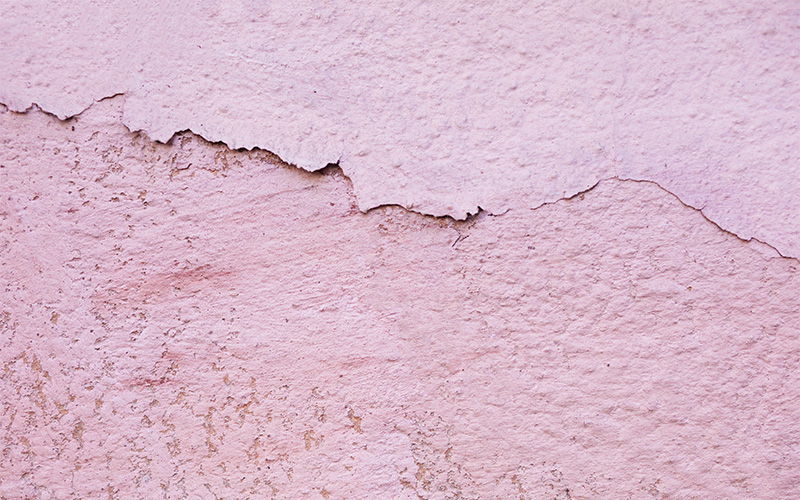
Poor plaster bonding, shrinkage, or insufficient curing can cause cracks or fine surface lines to appear after painting. Once the paint is applied, these defects may stand out more clearly and may require further repair before the wall looks properly finished.
3. Patchy Absorption
Different wall areas may absorb paint differently if the plaster surface is inconsistent. This can result in patchy colour, dull spots, or uneven sheen, even when the paint itself has been applied correctly.
Why Builders Should Think About Plastering Before Painting
A good wall finish should be planned from the plastering stage, not only at the painting stage. The final painted result depends on how well the surface has been prepared, levelled, and finished beforehand. This is why working with trusted cement suppliers and applying suitable materials can support a smoother base from the start.
1. Better Planning Reduces Rework
When plastering is done properly, the painting team is less likely to spend extra time correcting surface defects. This can reduce rework, delays, and material wastage during the finishing stage.
2. Better Surfaces Improve Final Presentation
In residential, commercial, and industrial projects, the condition of the wall surface can shape the overall impression of the finished space. Smooth, well-prepared walls help interiors look cleaner, more polished, and better maintained.
3. Better Materials Support More Predictable Results
Using suitable premix wall plaster can help contractors achieve a more consistent base before painting begins. As the material is pre-formulated, it reduces variation during mixing and supports more even application across different wall areas. This is especially useful for larger projects that prioritise a uniform surface finish across multiple rooms or floors.
Work With Chi Han Trading for Building Materials in Singapore
Understanding the differences between plastering and painting is essential for anyone involved in property management or construction. Both processes play a vital role in enhancing the aesthetics and functionality of a space, but they serve different purposes. Plastering creates a smooth, durable surface that is essential for effective painting, while painting adds colour, texture, and protection.
Choosing the right wall finishing materials can make a practical difference to plastering quality, painting results, and overall project efficiency. Chi Han Trading is a building construction materials supplier in Singapore with over 30 years of experience. We support contractors with plastering-related materials for smoother wall preparation, more consistent finishing works, and more reliable project execution.
Reach out to us for more information about building construction supplies.