Key Takeaways:
- Understanding the distinction between load-bearing and non-load-bearing walls is crucial for structural integrity.
- Load-bearing walls support the structure’s weight, while non-load-bearing walls primarily serve as partitions.
- Contractors must consider building codes and regulations when working with either type of wall.
- Proper identification and management of these walls can prevent costly structural issues.
Introduction
Walls do more than divide spaces. In construction, some walls are designed to support structural loads, while others mainly serve as partitions for layout, privacy, or space planning. Understanding the difference between load-bearing and non-load-bearing walls is important because each wall type has distinct materials, strengths, installation methods, and safety requirements.
For contractors, choosing the right building materials is a key part of this decision. Load-bearing walls may require stronger materials capable of handling vertical loads from floors, beams, roofs, or upper structures. Non-load-bearing walls, on the other hand, may allow more flexibility in material choice, especially for internal partitions or lightweight space division.
In this article, we will explore the characteristics, implications, and considerations of both wall types. We will also discuss the importance of accurate identification and the potential consequences of misclassification.
What Is a Load-Bearing Wall?
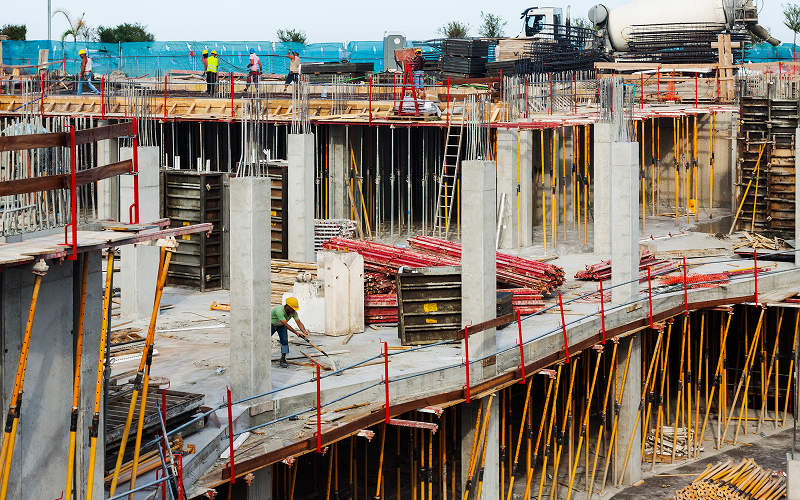
A load-bearing wall is a structural wall that supports weight from the building above it. This may include the roof, upper floors, beams, slabs, or other structural components. As it transfers loads down to the foundation, its material strength, placement, and construction quality are critical.
Contractors need to ensure that load-bearing walls are built from suitable materials and in accordance with structural requirements. Bricks, concrete blocks, reinforced concrete, structural steel, cement, sand, and aggregates may all be involved, depending on the project design. Any changes to a load-bearing wall should be carefully assessed because removing or weakening it can compromise the building’s stability.
What Is a Non-Load-Bearing Wall?
A non-load-bearing wall does not carry the building’s main structural load. Its purpose is usually to divide rooms, create internal layouts, improve privacy, or support light fixtures and finishes. These walls may still need to be strong and stable, but they do not carry the same structural responsibility as load-bearing walls.
As such, contractors may have more flexibility when choosing materials. Depending on the project, non-load-bearing walls may be constructed from partition materials such as clay blocks, concrete bricks, or timber framing. The right choice depends on factors such as weight, sound control, fire resistance, moisture exposure, installation speed, and finishing requirements.
Why Wall Function Should Guide Material Selection
A wall’s function should guide the choice of building materials, as load-bearing and non-load-bearing walls serve different purposes. Choosing the wrong material can lead to cracks, weak bonding, poor finishing, delays, or unnecessary costs.
1. Load-Bearing Walls Need Stronger Materials
Load-bearing walls must support weight from floors, beams, slabs, or roofs. Contractors usually need materials with good strength and stability, such as concrete blocks, solid bricks, reinforced concrete, cement, sand, aggregates, or structural steel, depending on project specifications.
2. Non-Load-Bearing Walls Allow More Flexibility
Non-load-bearing walls are mainly used for partitions, privacy, and internal layouts. Materials such as clay blocks, concrete blocks, bricks, timber framing, or plywood may be suitable, depending on durability, sound control, moisture exposure, and finishing needs.
3. Wall Location Affects Material Choice
A wall in a bathroom, kitchen, service yard, or other damp area may need moisture-resistant materials to reduce the risk of swelling, staining, mould, or surface damage. An external-facing wall may also be exposed to heat, humidity, or rainwater seepage, so the chosen finish should be suitable for Singapore’s weather conditions. Instead of choosing based only on appearance, contractors should match the material to the actual site conditions, not just the wall type.
4. Finishing Requirements Matter
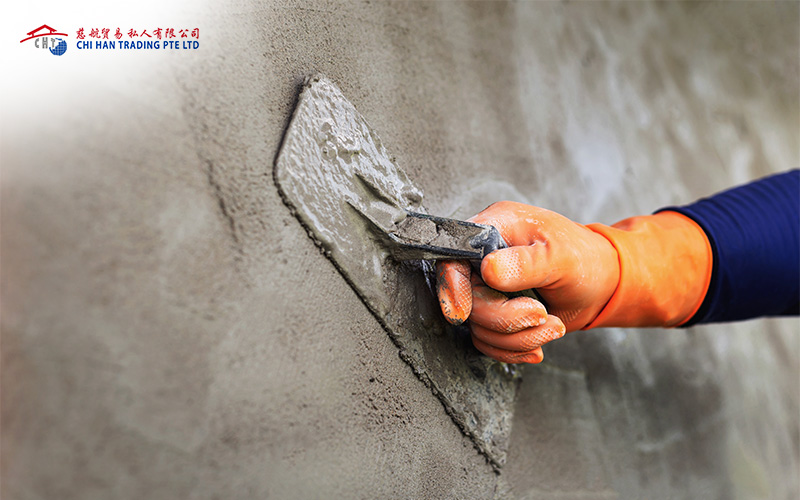
The wall finish should also be considered early. Plastering, tiling, painting, cladding, or built-in fixtures may require suitable base materials to prevent uneven surfaces, weak bonding, or extra correction work. For walls that will carry cladding, cabinets, shelves, or built-in fixtures, the base material must also be strong enough to support the added weight.
Building Materials Commonly Used for Load-Bearing Walls
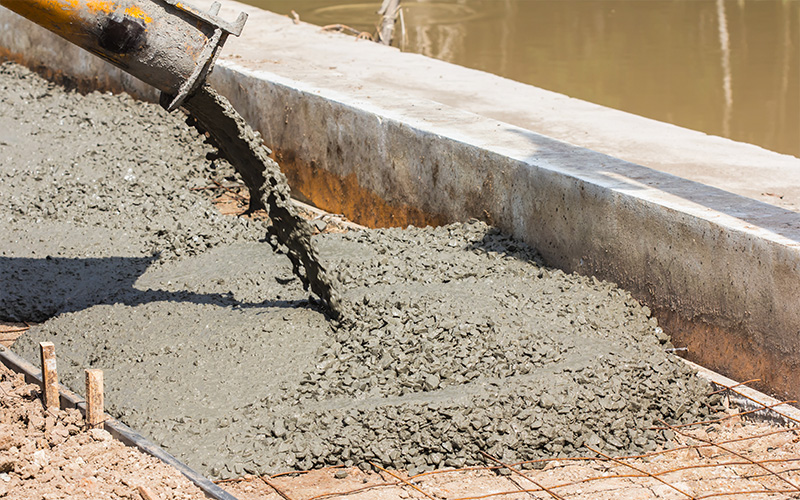
Load-bearing walls generally require materials that can support weight and maintain stability over time. Concrete blocks, solid bricks, reinforced concrete, cement, sand, aggregates, and structural steel may be used depending on the building design and engineering requirements.
The quality of these materials matters because poor-grade blocks, weak mortar, unsuitable sand, or inconsistent cement can affect the wall’s strength and durability. Working with a reliable building materials supplier helps ensure that the materials used are suitable for the intended wall structure and meet the required project specifications.
Building Materials Commonly Used for Non-Load-Bearing Walls
Non-load-bearing walls are commonly used to divide internal spaces, create rooms, conceal services, or support light fixtures and finishes. Since they do not carry the building’s primary structural weight, the material choice is usually based on function, durability, installation method, and the required finish.
Materials such as clay blocks, timber, plywood, and other lightweight boards may be used depending on the project. For certain temporary works, interior fittings, or lightweight partitions, timber and plywood are well-suited. Meanwhile, bricks and blocks are often preferred when the wall requires greater strength, sound insulation, or impact resistance. Contractors should also consider whether the wall will carry shelves, tiles, cladding, plumbing, or electrical services, as these requirements can affect the most suitable material choice.
Common Problems Caused by Choosing the Wrong Wall Materials
Choosing the wrong wall materials can affect more than the wall’s appearance. Whether it is a load-bearing or non-load-bearing wall, the material must suit the wall’s purpose, location, and expected use. Otherwise, it may lead to cracks, moisture damage, weak bonding, uneven finishes, or poor durability over time.
1. Cracks and Weak Bonding
Wall materials unsuitable for the intended use may not bond properly with mortar, plaster, or finishing layers. This can cause cracks, loose sections, hollow areas, or surface defects to appear over time. For example, poor-quality bricks or inconsistent sand-and-cement mixes can affect how well the wall holds together. Once bonding is compromised, contractors may need to perform repairs or redo affected sections, adding time and cost to the project.
2. Poor Alignment and Uneven Finishing
Inconsistent bricks, blocks, or panels can make wall construction harder to complete neatly. When materials vary too much in size, shape, or quality, workers may find it more difficult to keep the wall straight, even, and properly aligned during installation. This can also create problems during the finishing stage. An uneven wall surface may make plastering, painting, tiling, or cladding harder to complete smoothly. As a result, contractors may need to spend more time on correction work before the wall is ready for handover.
3. Structural Concerns for Load-Bearing Walls
For load-bearing walls, poor material choice can create serious structural concerns. As these walls are designed to support loads from floors, beams, slabs, roofs, and other building elements, the materials must have sufficient strength and stability. If unsuitable materials are used, the wall may weaken, crack, shift, or fail to support the intended load properly. This may affect surrounding structural elements, requiring professional assessment, reinforcement, or replacement work later on.
4. Moisture and Durability Issues
Some wall materials may not be suitable for wet areas, external-facing walls, or spaces with high humidity. When a material absorbs too much moisture or is not suited to the site conditions, it may result in water stains, mould, surface damage, or quicker wear over time. This is particularly important for walls near bathrooms, kitchens, service yards, or outdoor-facing areas because these spaces are more exposed to moisture, steam, water splashes, and humidity.
Why Supplier Reliability Matters for Wall Construction Materials
Load-bearing and non-load-bearing walls serve different purposes, so their material requirements should be planned carefully. Contractors need to consider structural function, wall placement, strength, weight, finishing, and site conditions before choosing suitable materials.
Building a wall requires several materials to work together, including bricks or blocks, cement, sand, and other supporting supplies. If one material is delayed, inconsistent, or unsuitable, it may affect installation quality, finishing work, and the overall construction schedule.
This is why material sourcing should be planned as part of the wall construction process, not treated as a separate task. Working with a reliable building materials supplier can help contractors secure compatible materials, maintain greater supply consistency, and reduce on-site coordination issues. With over 30 years of experience, large inventories, and a strong supply of construction timber and other materials, Chi Han Trading supports contractors with building materials for various construction needs.
Contact us to source reliable building materials for your next construction project.